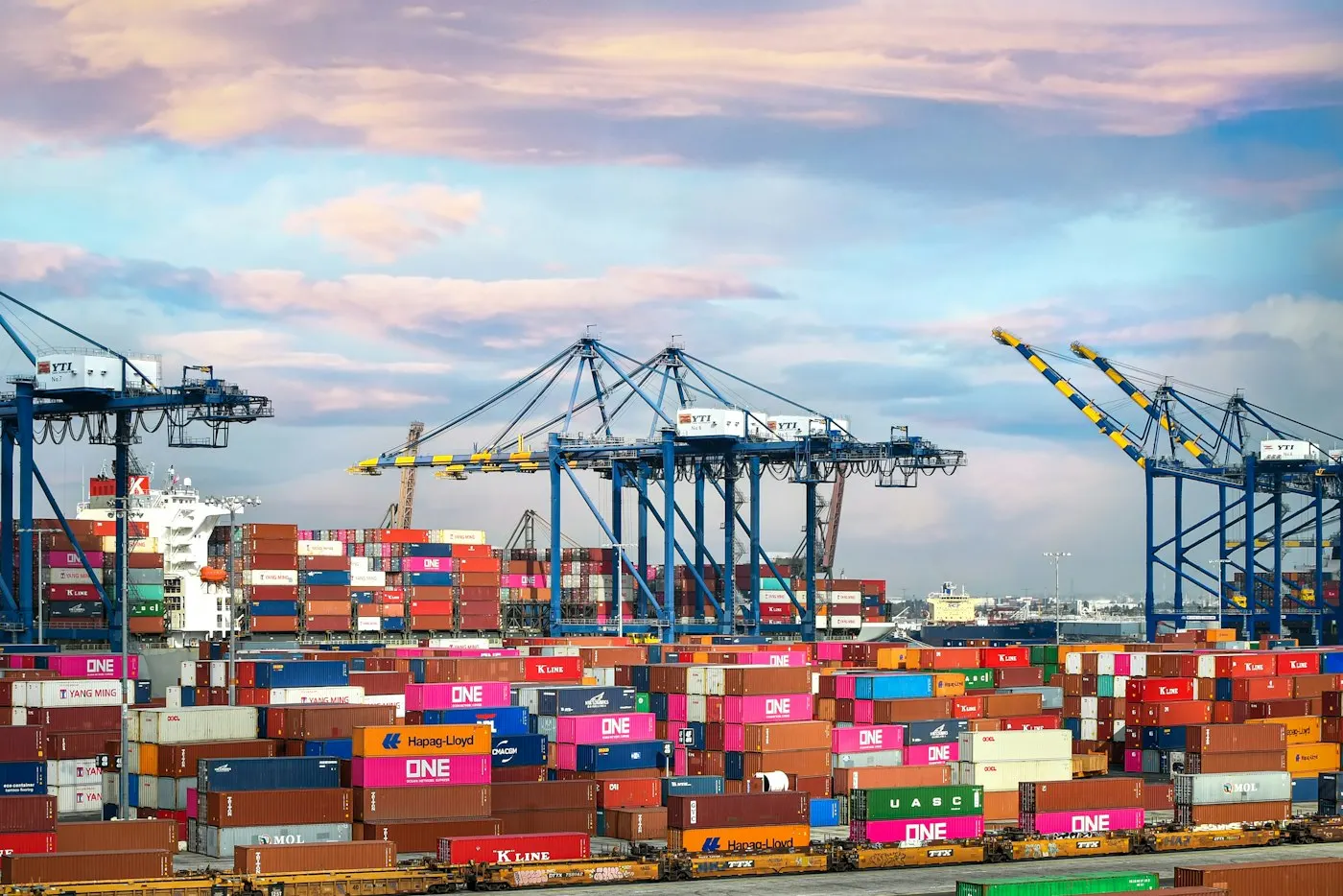




Supply Chain Control Tower
We build a control tower that unifies orders, inventory, and shipment data from internal systems and partners, alerting planners to exceptions and recommending corrective actions.

FWC builds supply chain visibility solutions and logistics software development that help you see every shipment, predict disruption, and deliver on time.
Supply chains now face constant disruption: demand swings, port delays, rising fuel costs, and customers who expect accurate delivery times. Yet many teams still rely on spreadsheets, emails, and disconnected carrier portals to know where goods are.
FWC supply chain software development services connect data from suppliers, warehouses, carriers, and customers into one picture. We add IoT tracking, AI forecasting, and optimization so planners can act early instead of reacting late.
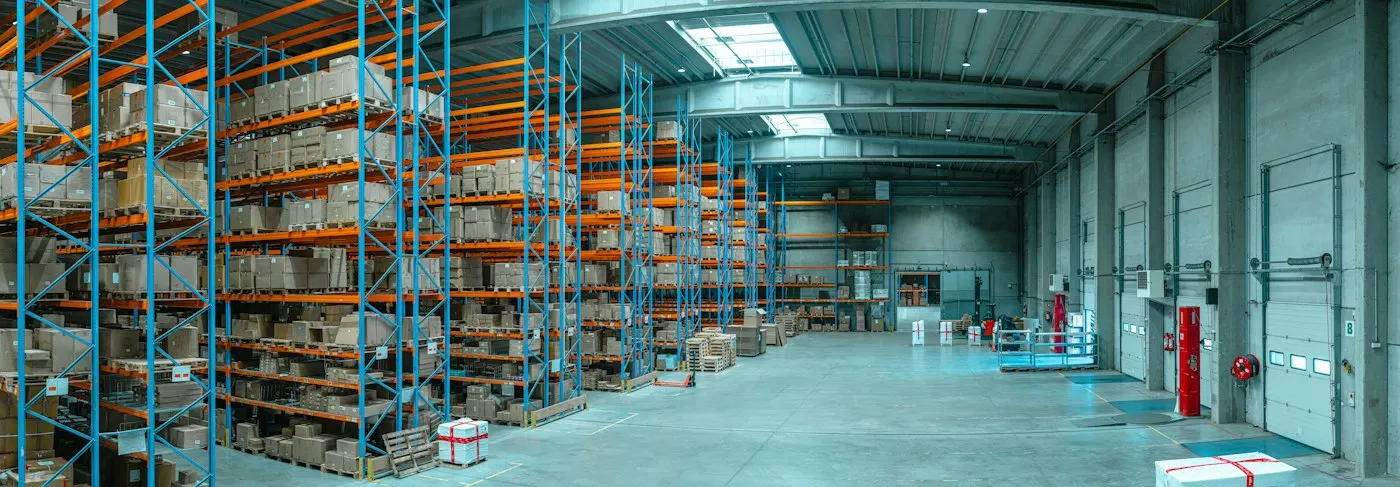
Teams cannot see shipments across carriers and partners in real time.
Static routes ignore traffic, capacity, and changing priorities.
Demand planning based on history alone misses market shifts.
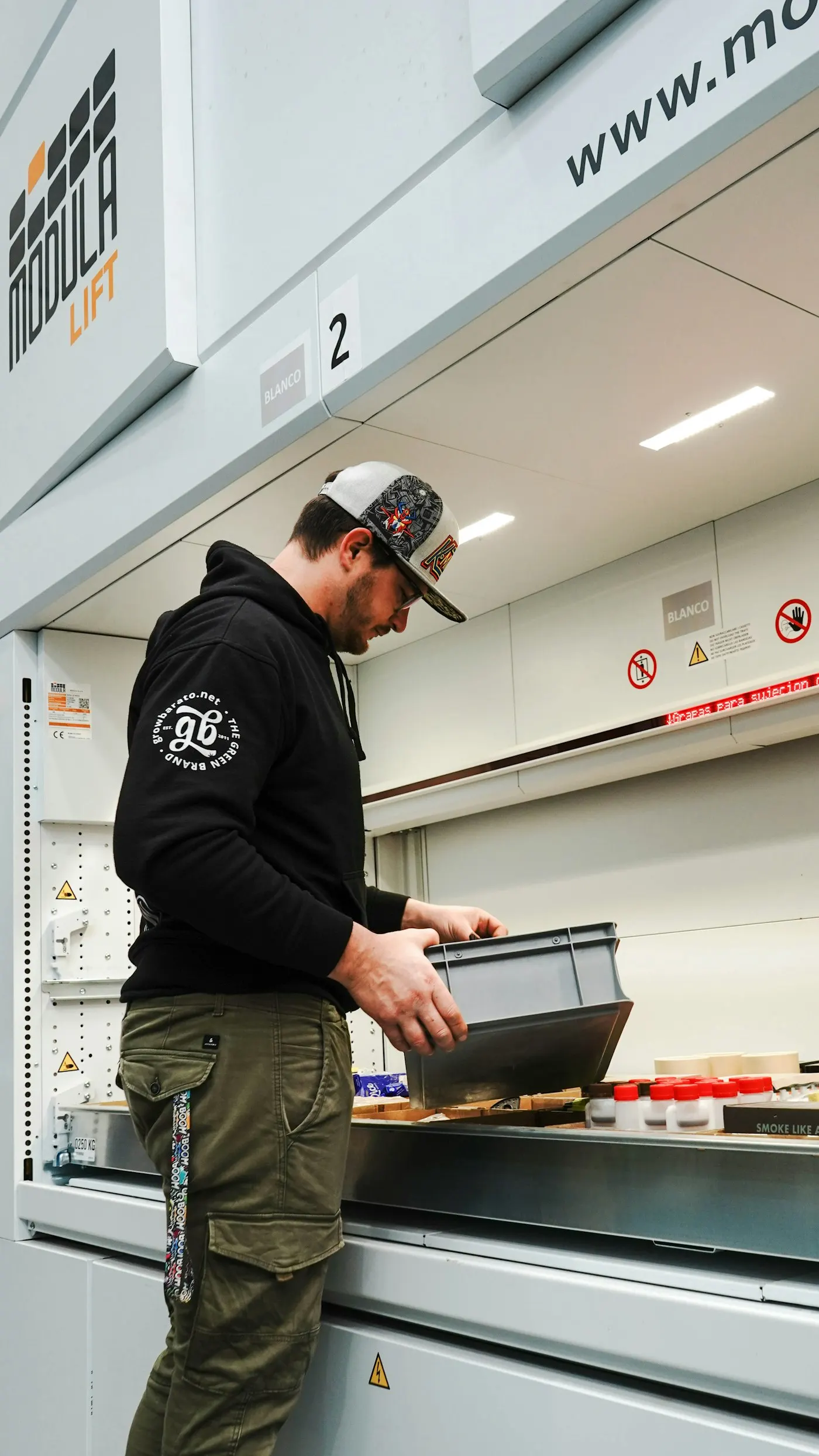
Outdated warehouse management slows picking, packing, and dispatch.
We build a control tower that unifies orders, inventory, and shipment data from internal systems and partners, alerting planners to exceptions and recommending corrective actions.
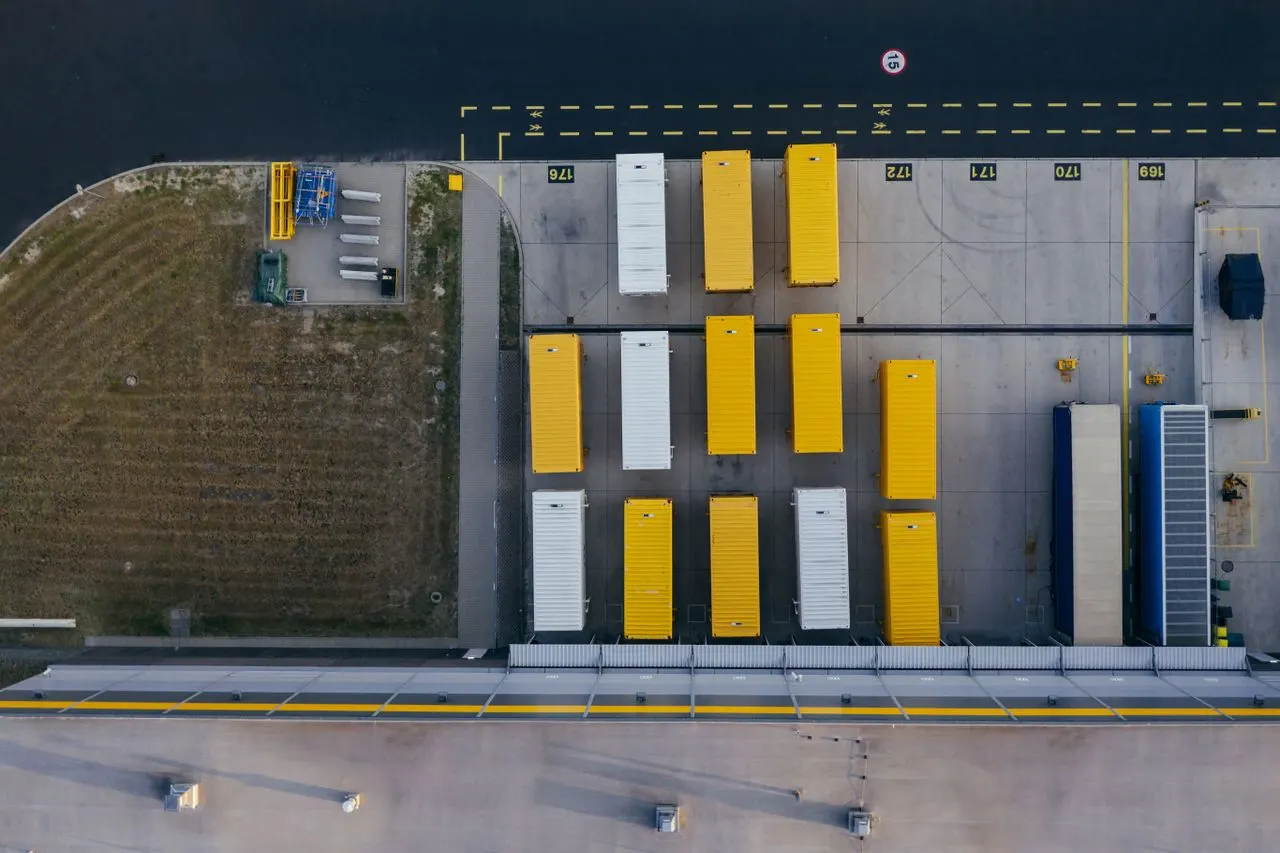
FWC develops AI-based route optimization that accounts for traffic, delivery windows, vehicle capacity, and driver hours, cutting miles and fuel while improving on-time performance.

Our IoT freight tracking solutions use sensors and telematics to report location, temperature, humidity, and shock in real time, protecting sensitive cargo and supporting claims.

We combine sales history, promotions, and external signals in demand planning models, giving planners forecasts they can adjust and translating them into inventory and replenishment plans.

FWC implements and extends warehouse management systems with mobile scanning, slotting optimization, wave planning, and real-time inventory accuracy from receiving through dispatch across single or multiple sites.

We integrate transportation management systems for load planning, carrier selection, rate management, and freight audit, giving logistics teams control of cost and service levels.

Our logistics software development teams build driver apps, proof of delivery, and customer tracking portals that reduce failed deliveries and status enquiries for customer service teams.

We connect suppliers, 3PLs, and carriers through APIs and EDI, automating purchase orders, shipping notices, and invoices across the network and removing manual data entry and delays.
Integrate data from systems and partners.
Build real-time dashboards and alerts.
Apply AI to demand and disruption risk.
Automate routing, replenishment, and planning.
Early alerts and smarter routing reduce late shipments.
Optimized routes and loads cut fuel and miles.
Better forecasts reduce both stockouts and excess stock.
Accurate tracking updates reduce "where is my order" calls.
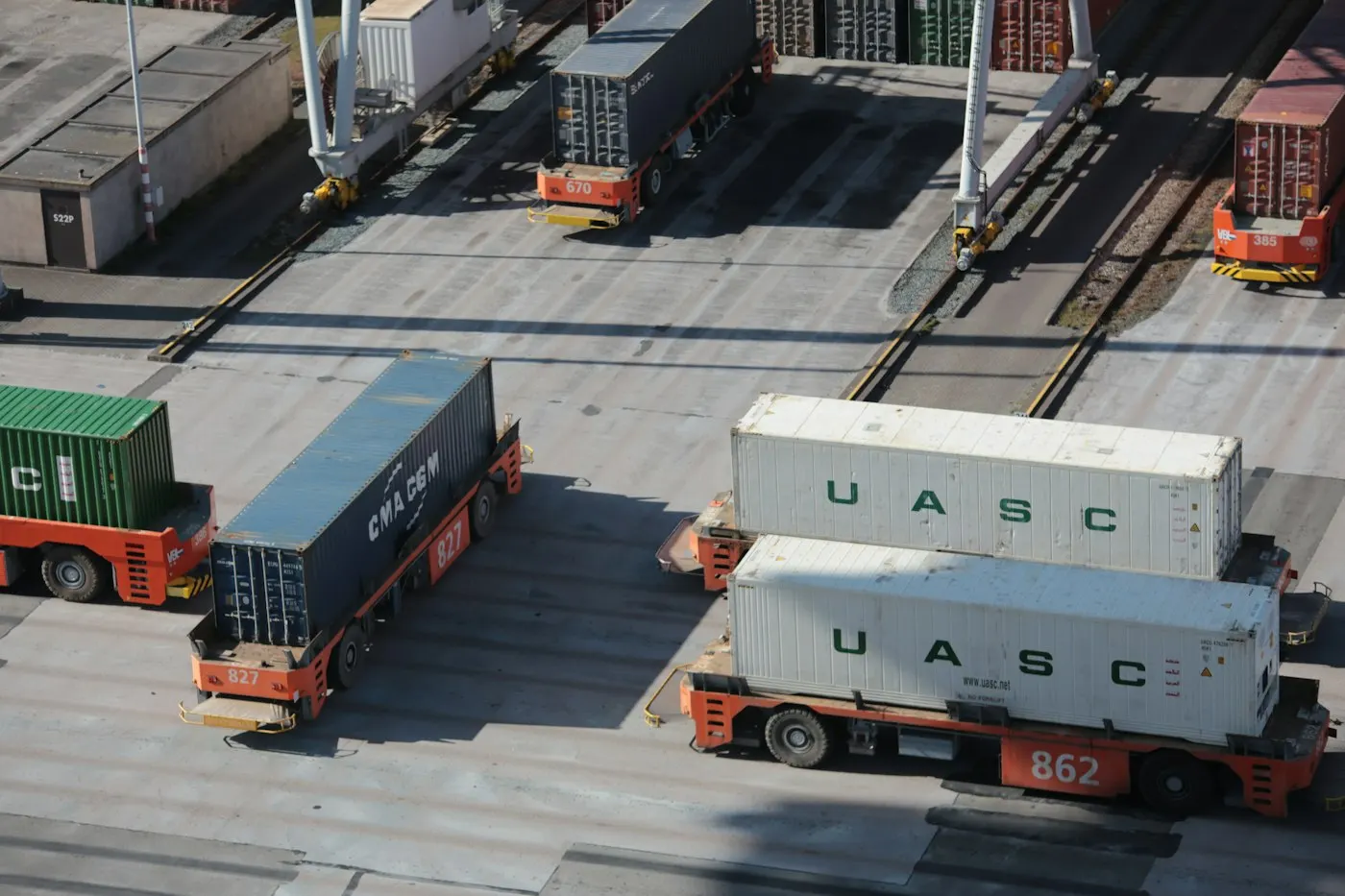
Deep experience connecting ERP, SAP, WMS, TMS, and partner systems.

Models are built to support planners' daily decisions.

One team handles devices, data pipelines, and analytics.
Prove value in one lane or region, then expand.
Point solutions improve one link, such as tracking or routing, but leave the rest disconnected. FWC builds the connective layer, integrating ERP, warehouse management, transportation management, IoT devices, and partner data into one control tower, then adds AI where it improves decisions. Planners get a single trusted view and recommended actions, not another dashboard to monitor.

SAP S/4HANA migration, implementation across finance and supply chain, SuccessFactors, integration and extensions on SAP BTP, and ongoing application support.
Explore SAP Services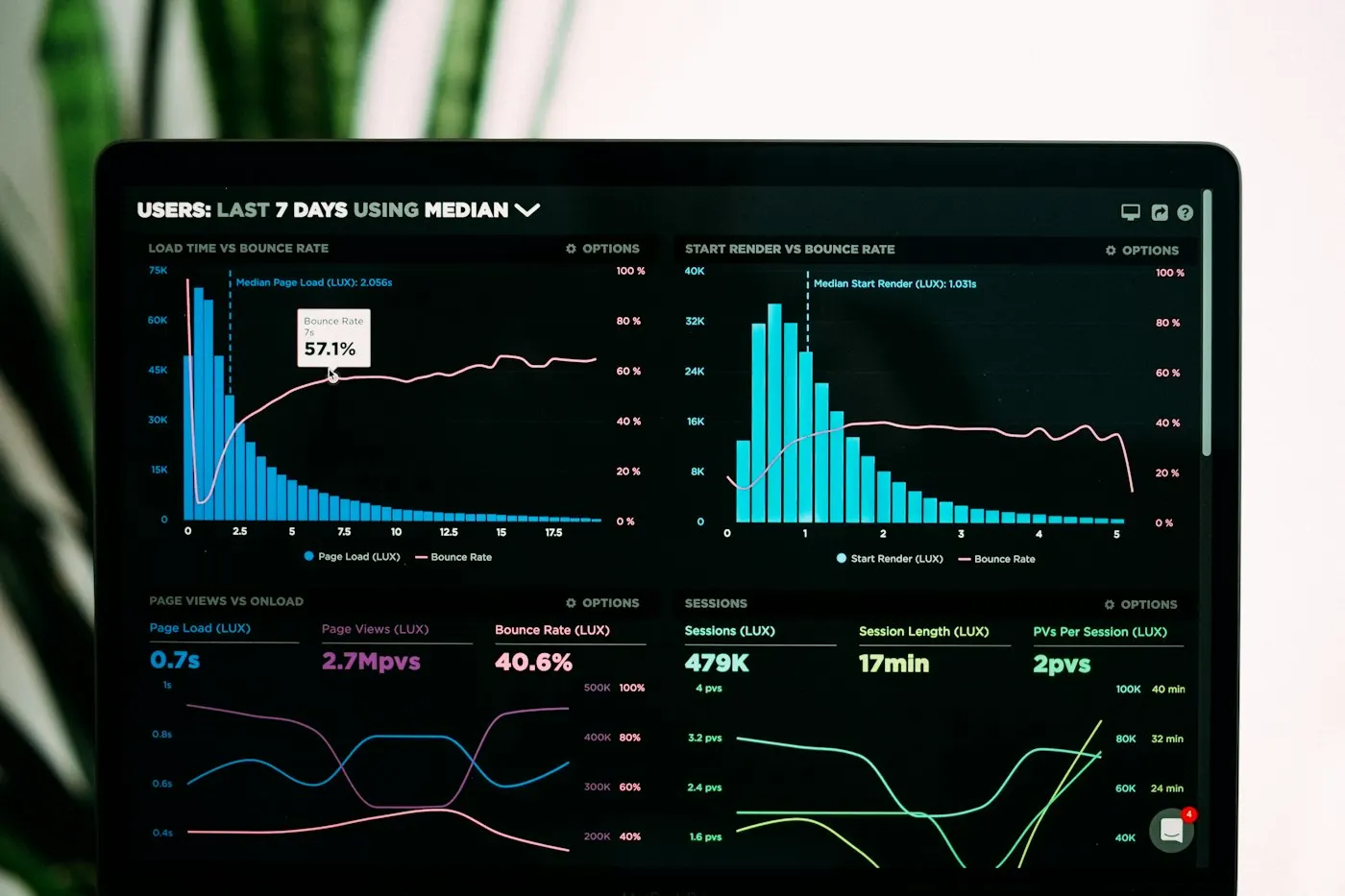
Demand forecasting, fraud detection, risk scoring, and churn prediction models deployed with MLOps, monitoring, and explainable outputs.
Explore Predictive AI / ML
Omnichannel commerce platforms, AI demand forecasting, modern point of sale, and secure payments that keep inventory, pricing, and customer experience consistent across every channel.
Explore Retail
Industrial IoT, MES integration, digital twins, predictive maintenance, and AI quality inspection that connect the shop floor with ERP and supply chain systems.
Explore ManufacturingConnecting consulting to growth & impact, bringing together news, insights, articles, and decisions that shape the future.

Deploying sub-millisecond edge neural accelerators, synthetic anomaly generators, and industrial SCADA integrations to achieve 99.8% precision defect detection across automated high-speed production lines.

Deconstructing legacy enterprise monoliths using the Strangler Fig pattern, Apache Kafka event backbones, and Karpenter autoscaling on Kubernetes to eliminate cloud waste and slash infrastructure costs by 40%.

Architecting high-throughput FHIR/HL7 streaming backbones, client-side PHI de-identification, and BAA-isolated cloud infrastructures to support millions of concurrent telehealth consultations.
FWC provides control towers, route optimization, IoT freight tracking, AI demand planning, WMS and TMS solutions, and supplier and partner integration.
Visibility solutions combine real-time data from partners and devices, so teams spot delays early and reroute shipments or adjust inventory before customers are affected.
Yes. FWC connects visibility platforms with SAP and other ERPs so orders, inventory, and shipments share one source of truth.
IoT devices on shipments send location and condition data, such as temperature, to a cloud platform that triggers alerts when thresholds are crossed.
Yes. FWC builds custom logistics software development solutions, including driver apps, dispatch tools, and customer tracking portals.
Yes. FWC implements, integrates, and extends warehouse management systems with mobile scanning, slotting optimization, and real-time inventory updates.
Tell us the outcome you need. An FWC architect will map the fastest governed path to get there.