


Automation Opportunity Assessment
We analyze process volumes, handling time, exception rates, and data quality, then rank opportunities by return so investment starts where automation pays back fastest.

FWC delivers intelligent process automation and ERP automation that read documents, make routine decisions, and manage exceptions across your end-to-end workflows.
Traditional automation works well until something unexpected happens: a scanned invoice, an incomplete order, or an email request in free text. Those exceptions still land on people, so savings plateau.
FWC AI automation services combine workflow platforms, RPA, document AI, machine learning, and AI agents to automate complete processes, including the unstructured parts. We integrate with ERP systems such as SAP and Oracle, route edge cases to the right people, and measure straight-through processing rates.

Rules-based automation sends every exception back to people.
Emails, scans, and PDFs block straight-through processing.
ERP processes still depend on re-keying and spreadsheets.
RPA, workflow, and AI projects run separately without a shared strategy.
We analyze process volumes, handling time, exception rates, and data quality, then rank opportunities by return so investment starts where automation pays back fastest.

FWC uses AI to classify incoming documents and extract and validate data from invoices, forms, and contracts, routing low-confidence fields to people for quick review.

Our teams automate order-to-cash, procure-to-pay, and record-to-report steps through APIs and SAP automation tools, without modifying core ERP configuration, and with full audit trails for finance and compliance teams.

We deploy models that approve, route, or flag transactions based on learned patterns and business rules, with confidence thresholds and explanations for each decision.

FWC adds AI agents to workflows to gather information, resolve routine exceptions, and prepare cases, improving exception handling while people retain final authority over outcomes.

We classify inbound emails and messages, extract the request, draft or send responses, and create tickets or transactions in downstream systems without manual triage by shared-inbox teams.

Our consultants unite RPA, workflow, and AI under one governance model and roadmap, so hyperautomation scales across functions without tool sprawl or duplicated effort between teams.

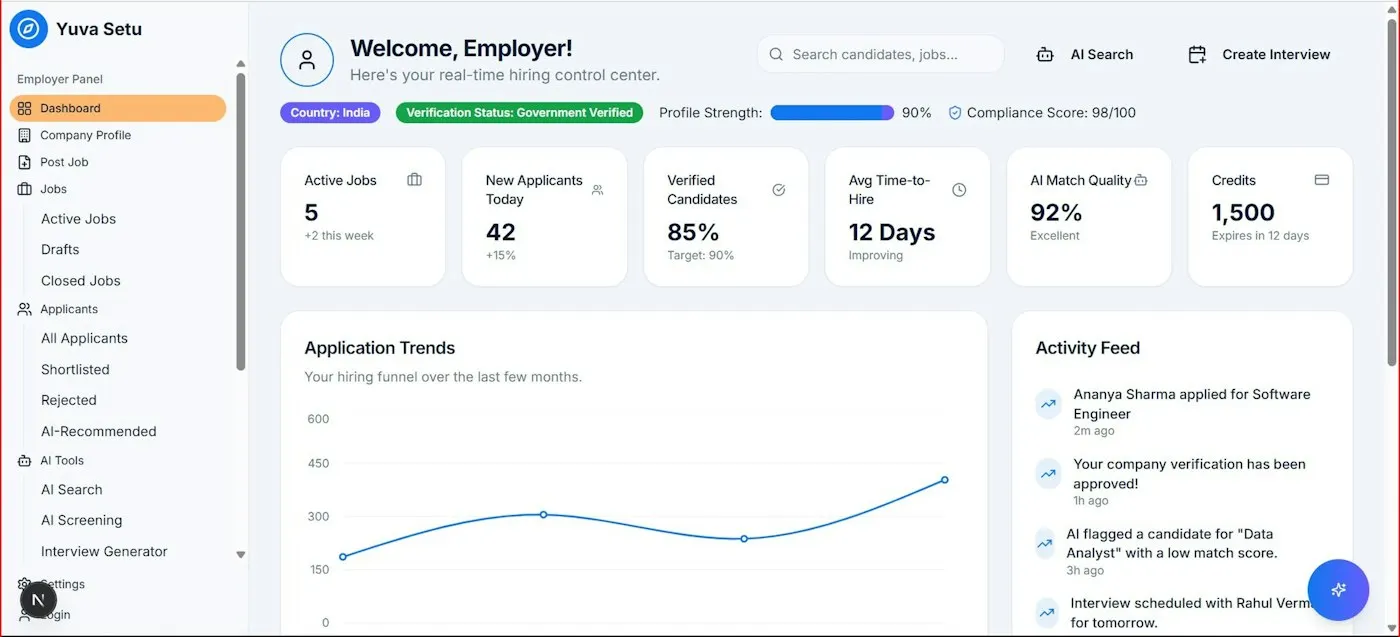
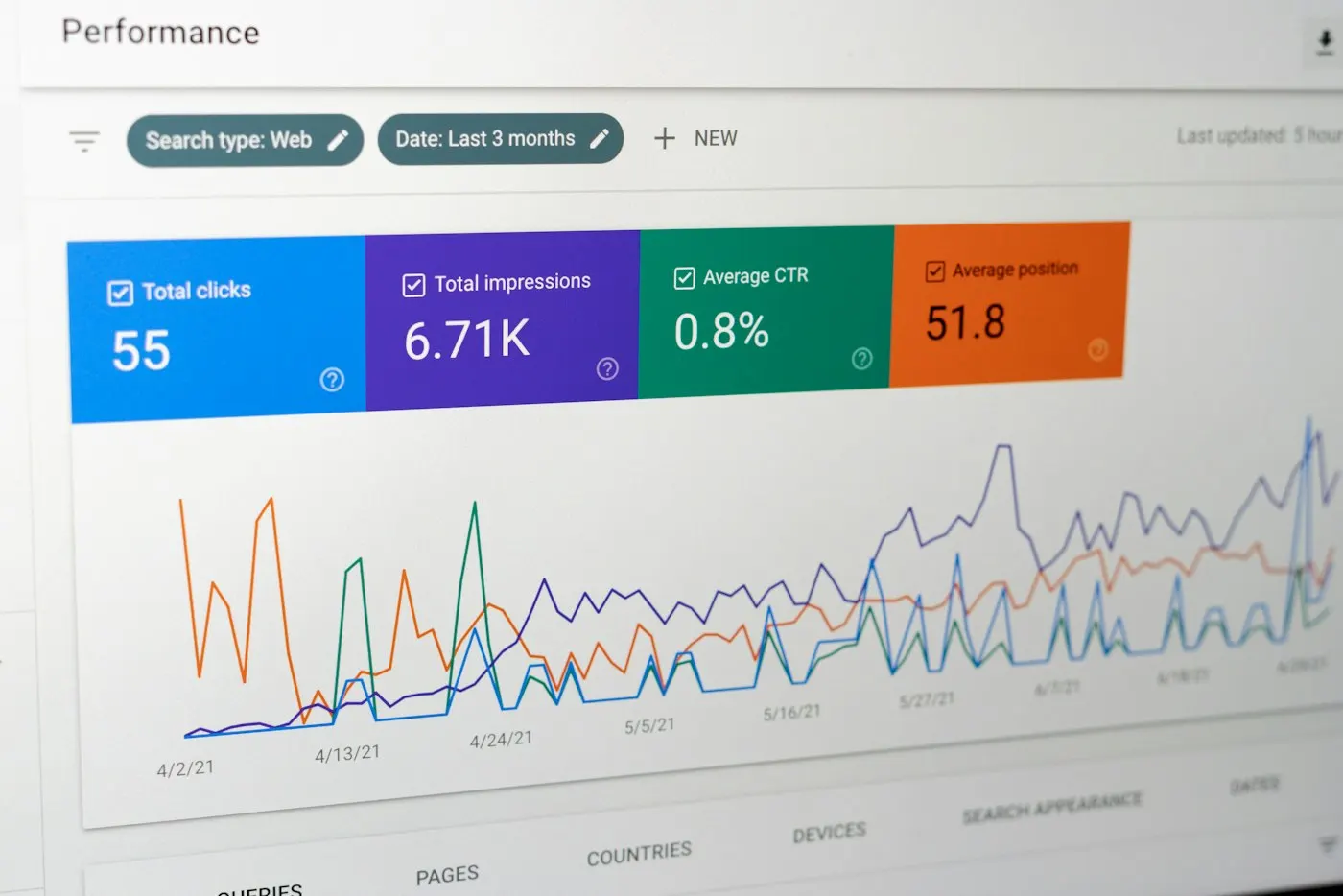
We measure straight-through processing, accuracy, cycle time, and savings for every automated process, showing where to tune models and what to automate next for the greatest return.
Invoice processing, reconciliations, and close activities.
Order intake and shipment exceptions.
Onboarding, employee requests, and document checks.
Claims, applications, and service requests.
More transactions complete without manual touch.
Documents and requests are processed in minutes.
Validation catches mistakes before they reach downstream systems.
Teams handle growth without proportional headcount.
Every automated decision is logged and reviewable.

FWC automates whole processes, not isolated tasks.
Low-confidence cases go to people with full context.
SAP and ERP specialists in the same team as AI engineers.
Every automation is benchmarked against a baseline.
Single-tool automation hits a ceiling when work becomes unstructured. FWC combines document AI, machine learning, agents, workflow, and RPA under one governance model, applying each where it works best. Exception handling is designed into every flow, with confidence thresholds and human review, so automation rates rise steadily without sacrificing accuracy or control.
Process mining, workflow orchestration, low-code automation, intelligent document processing, and system integration that remove manual hand-offs across the enterprise.
Explore Workflow Automation
Attended, unattended, and hybrid bots on leading RPA platforms, with a Center of Excellence, 24/7 bot monitoring, and AI-enhanced intelligent automation.
Explore RPA
SAP S/4HANA migration, implementation across finance and supply chain, SuccessFactors, integration and extensions on SAP BTP, and ongoing application support.
Explore SAP Services
Autonomous and multi-agent systems that complete multi-step work inside CRM, ERP, and ticketing tools, with guardrails, audit logs, and human approval points.
Explore AI AgentsConnecting consulting to growth & impact, bringing together news, insights, articles, and decisions that shape the future.

Deploying sub-millisecond edge neural accelerators, synthetic anomaly generators, and industrial SCADA integrations to achieve 99.8% precision defect detection across automated high-speed production lines.

Deconstructing legacy enterprise monoliths using the Strangler Fig pattern, Apache Kafka event backbones, and Karpenter autoscaling on Kubernetes to eliminate cloud waste and slash infrastructure costs by 40%.

Architecting high-throughput FHIR/HL7 streaming backbones, client-side PHI de-identification, and BAA-isolated cloud infrastructures to support millions of concurrent telehealth consultations.
AI automation services use AI technologies such as document understanding, machine learning, and agents to automate complex business processes that rules-based tools cannot handle alone.
RPA follows fixed rules on structured data. Intelligent process automation adds AI to read unstructured content, make routine decisions, and handle exceptions.
Yes. FWC automates SAP processes using APIs, SAP BTP, workflow tools, and AI, without disrupting core configurations.
Low-confidence cases are routed to a person with the relevant context, and their decisions help improve the model over time.
FWC measures straight-through processing rate, cycle time, error rate, and labor hours saved against a pre-automation baseline.
FWC sets confidence thresholds for each decision, routes uncertain cases to people with full context, and uses their decisions to retrain models and improve automation rates.
Tell us the outcome you need. An FWC architect will map the fastest governed path to get there.