
Software Consulting
Strategic guidance on architecture, stack selection, and roadmap decisions, reviewed against your actual constraints, not a generic best-practices template.

We pair product strategists with certified engineers, so your roadmap moves at startup speed with the review gates an enterprise launch actually needs.
Most product delays don't come from a single bad decision. They come from silos: strategy, design, and engineering working from three different versions of the plan. We bring those functions into one team so the handoffs that usually cost you a sprint stop happening.
We assess your technology stack and roadmap honestly, including telling you when the fastest path isn't the one you originally proposed.
UI/UX and product architecture take shape together, so a design decision doesn't get discovered as an engineering blocker three sprints later.
Web, mobile, and embedded engineering happen on unified, cross-functional teams, with defined quality gates a release has to clear before it ships.
We stay embedded post-launch through agile delivery, tuning the product against real usage instead of the assumptions from the original spec.

From design systems to cloud-native microservices, our dedicated squads deliver production-ready software with uncompromising quality.
Strategic guidance on architecture, stack selection, and roadmap decisions, reviewed against your actual constraints, not a generic best-practices template.

End-to-end engineering across the product lifecycle, from validating an idea to launching something that clears the quality gates a production release requires.

Responsive, high-performance web platforms built on frameworks chosen for your actual scale, not the newest option on the market.
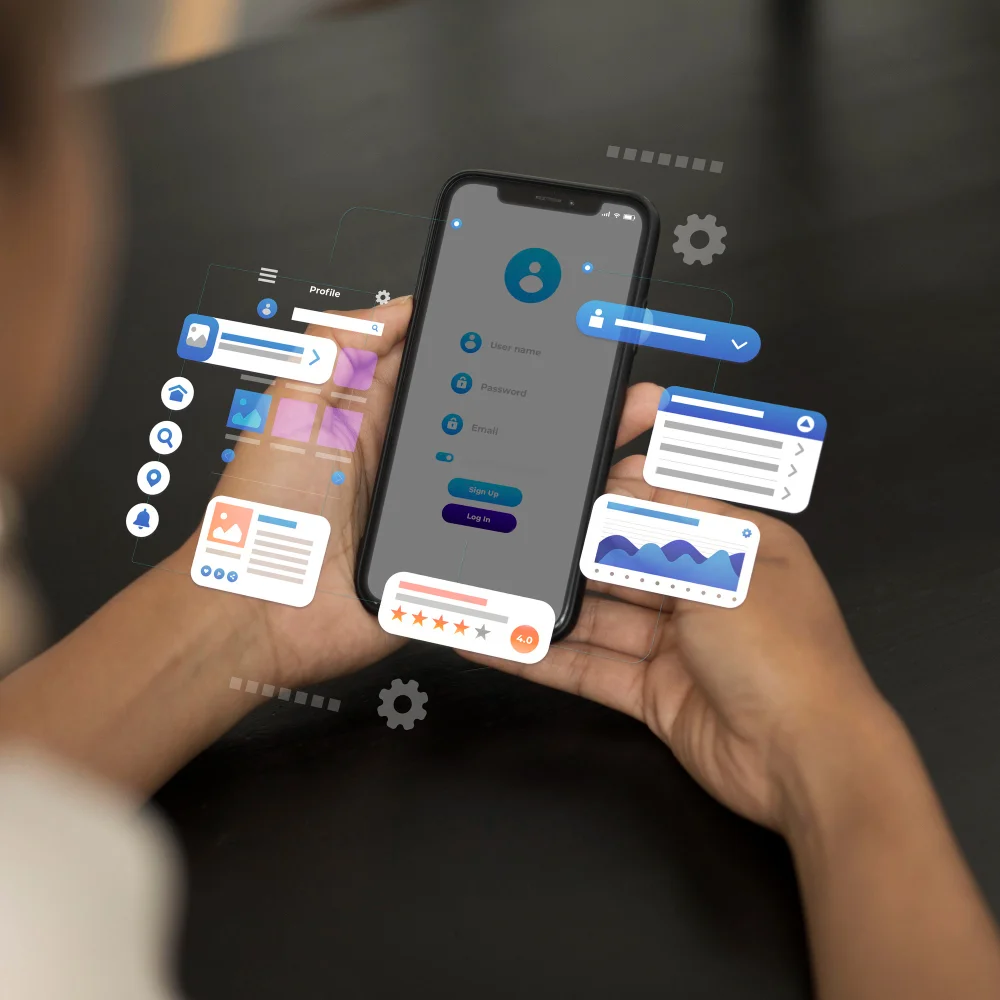
Native and cross-platform iOS and Android apps built for reliability, with the same review standard as everything else we ship.

Interfaces designed around how users actually behave, validated with real usage data instead of a single stakeholder's opinion.

Connected device software built for real-time monitoring and automation, engineered to the reliability standard physical devices actually require.

Dedicated product managers and agile delivery that keep a roadmap honest, with scope changes tracked instead of silently absorbed.
Connecting consulting to growth & impact, bringing together news, insights, articles, and decisions that shape the future.

The gap between strategy, design, and engineering costs more time than any individual team's execution speed.

A practical breakdown of the checks that actually catch problems before launch, versus the ones that just slow a team down.

Why the newest framework isn't automatically the right one for a team that has to maintain it for the next five years.

What "production-grade" actually means when the software is running on a physical device instead of a browser tab.
Everything you need to know about FWC's technology & product development engineering, consulting, and deployment practices
Design and product architecture take shape together on one cross-functional team, in the "Design" stage of how we build, so an engineering blocker gets caught before it's three sprints deep into development, not after.
Our software consulting evaluates your actual constraints, team size, and maintenance capacity, not what's popular in a conference talk. Sometimes the right answer is the boring, well-supported option.
Our agile delivery model tracks scope changes explicitly instead of silently absorbing them into a growing backlog, so you see the tradeoff in timeline or cost the moment the decision gets made, not at the end.
Every release clears a defined quality gate before it ships, and AI-assisted code review catches the obvious issues early so your engineers' review time goes to the decisions that actually need human judgment.
We stay embedded post-launch, tuning the product against real usage data instead of walking away once the initial release ships. That's part of the "Operate" stage in how we work.
Embedded Software and IoT is one of our seven core offerings, engineered to the reliability standards physical devices require, which is a different bar than typical web application development.
Let’s turn business
challenges into opportunities.
Ask FWC AI anything
Instant keyboard navigation across all 15 services, 10 industries, 8 AI systems, and enterprise careers.