News
ADAS Validation: What 'Tested' Actually Has to Mean
A look at the structured simulation and edge-case testing that separates a defensible safety case from a marketing claim.

We build connected vehicle software and EV platforms to functional-safety standards from day one, so a faster development cycle never means a safety case built after the fact.
Automotive software used to be a supporting system. Now it's the product, and a defect in it doesn't stay a warranty issue, it becomes a recall or a safety incident. We build automotive and EV software with the certification case built in from the start, not chased down after a validation team finds the gap.
We architect connected vehicle and EV platform software around functional-safety requirements from the start, not as a retrofit after the core system is already built.
ADAS and autonomous features go through structured simulation and testing before they ever touch a public road, with every edge case documented, not assumed away.
Every safety-critical release passes a defined validation gate aligned to automotive functional-safety standards, with a documented case your compliance and legal teams can stand behind.
We stay engaged post-launch, tracking telematics and fleet data to catch a systemic issue before it becomes a recall instead of after.

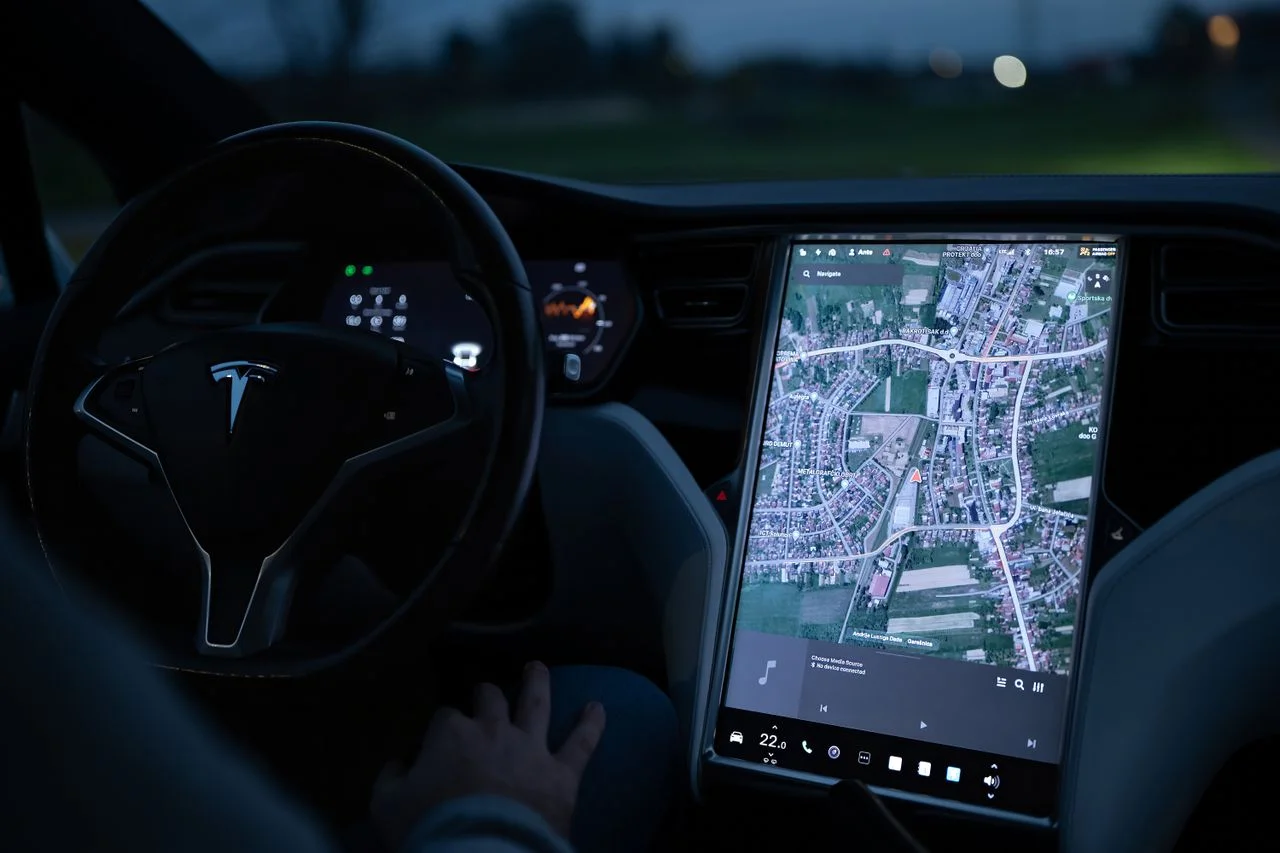
Software that handles over-the-air updates safely means a fix ships without the update itself becoming the incident.
Strategic analysis, technical playbooks, and engineering updates shaping the future of automotive & ev.

As vehicles become software platforms, a defect that used to mean a service visit now means a recall, or worse. What building a real safety case looks like from day one.
A look at the structured simulation and edge-case testing that separates a defensible safety case from a marketing claim.

Why lab-condition battery models consistently overpromise range, and what closes the gap.

How precise supply chain tracking turns a fleet-wide scare into a targeted, contained response.
Everything you need to know about FWC's automotive & ev technology, automation, and IT consulting solutions
We architect around functional-safety requirements from the "Design" stage, not as a retrofit, so the certification case already exists by the time a release is ready to ship, instead of a scramble discovered during validation.
Structured simulation and testing cover the edge cases before any feature touches a real road, with every scenario documented, so validation doesn't depend on getting lucky during limited real-world testing.
Automotive Supply Chain and Traceability tracks components and software versions precisely, so a fix targets the specific affected batch instead of forcing a broader, more expensive recall out of uncertainty.
Our battery and charging software is validated against real-world driving data, not lab conditions alone, which is where most range-estimate gaps actually come from.
We stay engaged post-launch, monitoring telematics and fleet data to catch a systemic issue while it's still a pattern in the data, not after it's already become a customer complaint or a recall.
Let’s turn business
challenges into opportunities.
Ask FWC AI anything
Instant keyboard navigation across all 15 services, 10 industries, 8 AI systems, and enterprise careers.